




One of the most common questions beginners ask when fashion designing is:
Should I learn freehand cutting or pattern drafting first?
Table Of Content
- What Is Freehand Cutting?
- Key Features of Freehand Cutting
- Advantages of Freehand Cutting
- Limitations of Freehand Cutting
- What Is Pattern Drafting?
- Key Features of Pattern Drafting
- Advantages of Pattern Drafting
- Limitations of Pattern Drafting
- Freehand Cutting vs Pattern Drafting: A Clear Comparison
- For beginners
- Why Learning Both Methods Matters
- Final Thoughts
Both techniques are essential skills in fashion design, yet they serve different purposes and require different approaches. Understanding the difference between freehand cutting and pattern drafting will help beginners make informed decisions, avoid confusion, and develop strong foundational skills.
At Easy Wear, we believe that knowledge empowers creativity. This article explains both methods clearly, highlighting their advantages, limitations, and when each should be used.
Related: How to Cut and Sew a Straight Skirt (Beginner-Friendly Guide)
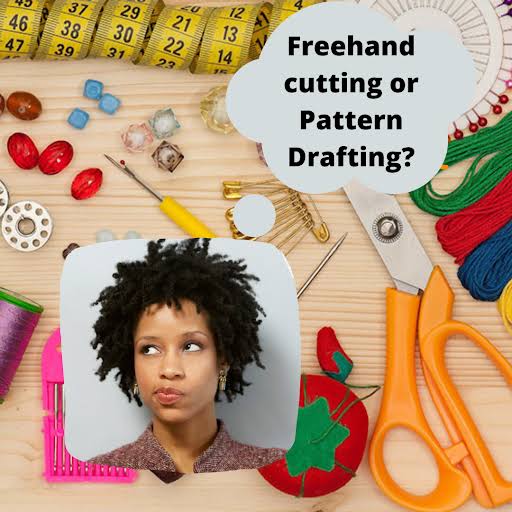
What Is Freehand Cutting?
Freehand cutting is a method of cutting fabric directly using body measurements without creating a paper pattern first. The designer marks measurements straight onto the fabric using chalk, ruler, and tape, then cuts immediately.
This method is widely used in many tailoring environments, especially for custom-made outfits and traditional wears.
Key Features of Freehand Cutting
- No paper pattern required
- Measurements are marked directly on fabric
- Faster for simple garments
- Common in bespoke tailoring
- Relies heavily on accuracy and experience
Advantages of Freehand Cutting
Freehand cutting is popular among beginners and professionals for several reasons:
- Time-saving: Ideal for quick jobs and simple designs
- Cost-effective: No need for pattern paper or storage
- Flexible: Easy to adjust measurements during cutting
- Perfect for native wears: Kaftans, senators, free-size outfits
For beginners, freehand cutting helps improve understanding of body measurements and garment structure.
Limitations of Freehand Cutting
Despite its benefits, freehand cutting has some drawbacks:
- Difficult to reproduce the same design consistently
- Higher risk of fabric wastage if measurements are wrong
- Not ideal for mass production
- Requires strong measuring and visualization skills
This method demands patience and practice to master.
What Is Pattern Drafting?
Pattern drafting is a structured method of creating garment templates on paper using standardized measurements and drafting rules. These patterns are later transferred onto fabric for cutting.
Pattern drafting is commonly used in professional fashion houses and garment production industries.
Key Features of Pattern Drafting
- Uses paper patterns
- Highly accurate and repeatable
- Suitable for complex designs
- Ideal for ready-to-wear and production
Advantages of Pattern Drafting
Pattern drafting offers many professional benefits:
- Precision: Ensures accurate fitting
- Consistency: Same pattern can be reused multiple times
- Professional finishing: Better for tailored garments
- Scalability: Perfect for mass production and branding
- Easy alterations: Changes can be made on paper before cutting fabric
Pattern drafting builds technical confidence and design discipline.
Limitations of Pattern Drafting
Pattern drafting also has its challenges, especially for beginners:
- Time-consuming at the beginning
- Requires drafting tools and paper
- Can feel complex without proper guidance
- Needs patience and regular practice
However, once mastered, it becomes a powerful skill.
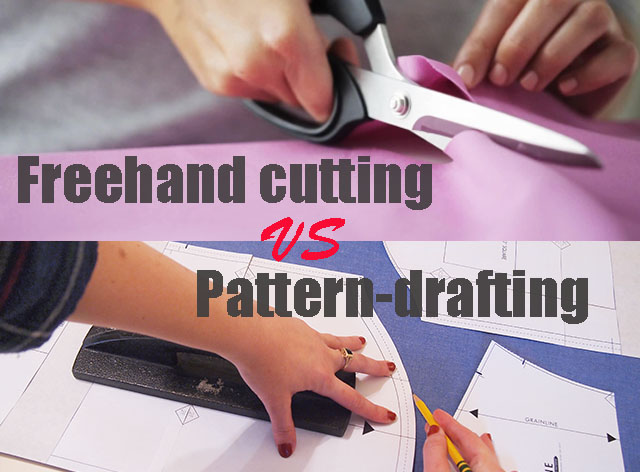
Freehand Cutting vs Pattern Drafting: A Clear Comparison
Aspect Freehand Cutting Pattern Drafting
- Speed Faster Slower initially
- Accuracy Depends on skill Very high
- Repetition Difficult Easy
- Fabric Waste Higher risk Minimal
- Best For Custom tailoring Production & complex designs
- Beginner Friendly Yes Requires training
Which One Should a Beginner Learn First?
The answer depends on your goals, but ideally, both skills are important.
For beginners:
- Start with basic freehand cutting to understand measurements and garment flow
- Learn pattern drafting to build professional structure and consistency
- Freehand cutting develops intuition.
- Pattern drafting builds precision.
- A well-rounded designer understands and applies both.
Why Learning Both Methods Matters
Designers who master both techniques enjoy greater flexibility. They can confidently handle custom tailoring while also preparing for ready-to-wear collections and production opportunities.
At Easy Wear, learning is intentional. We value skills that grow with time, discipline, and practice. Mastery comes from balance — not shortcuts.
Final Thoughts
Freehand cutting and pattern drafting are not competitors; they are complementary tools in a designer’s journey. Beginners should not feel pressured to choose one over the other too early. Instead, focus on learning the basics properly, practicing consistently, and understanding how each method serves different design needs.
Fashion designing is not about rushing to finish garments — it is about building skills that last.
And with patience, practice, and purpose, every beginner can grow into a confident, skilled designer.