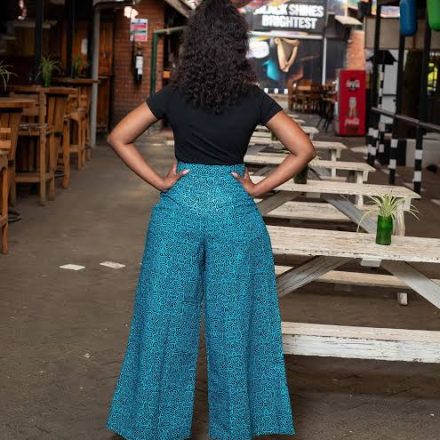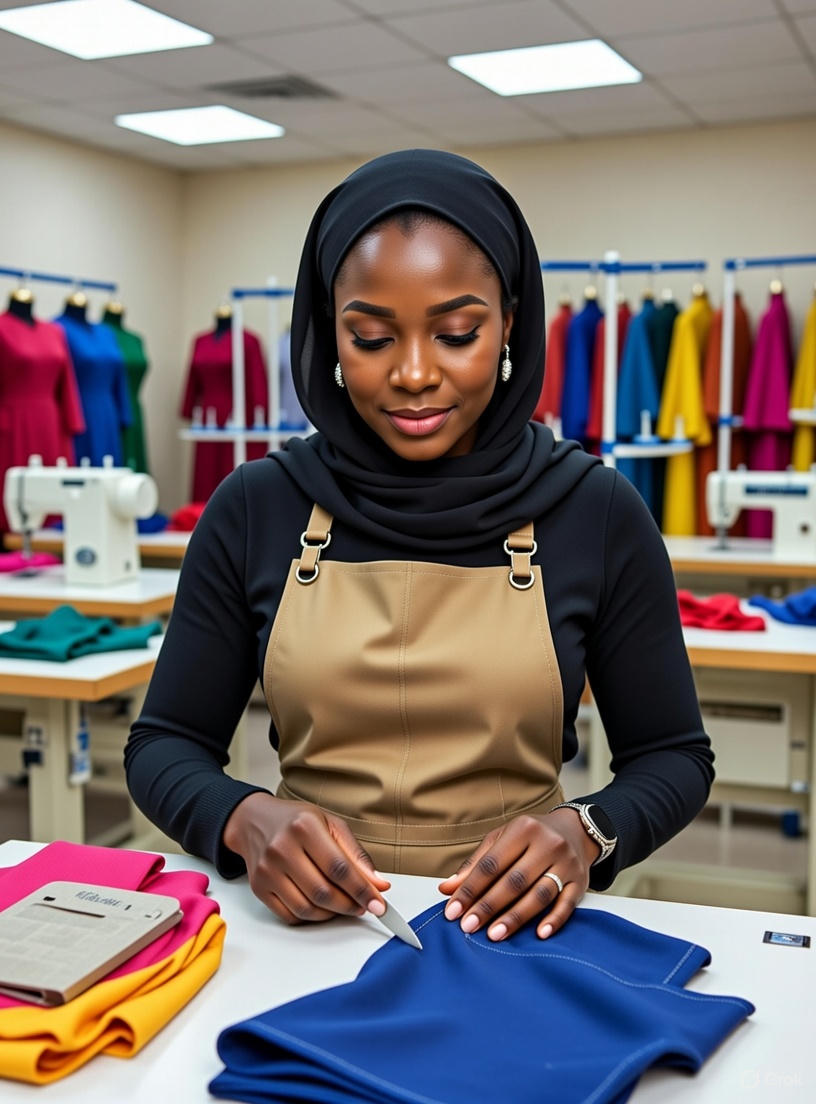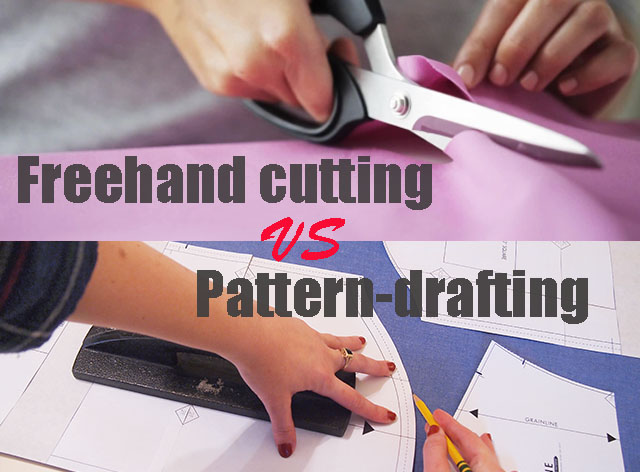





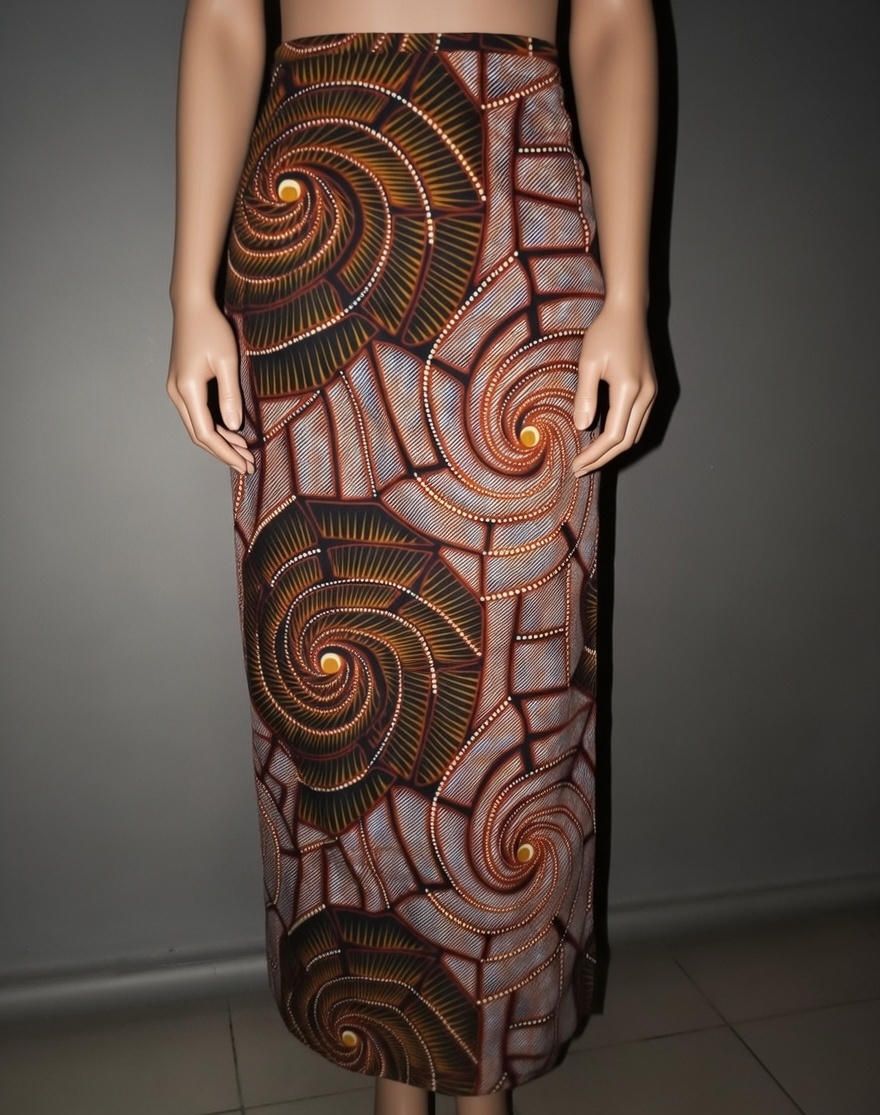
Fashion designing is a journey, not a race. At Easy Wear, we believe every great designer starts by mastering the basics. One of the most important foundation garments is the straight skirt. This tutorial is written for beginners, fashion students, and anyone who wants to understand skirt cutting clearly and professionally.
Table Of Content
- Materials Needed
- Key Measurements Required
- Step 1: Prepare the Fabric
- Step 2: Draft the Vertical Measurements (Vertical Measurement)
- Step 3: Calculate the Width Measurements
- Waist Line
- Hip Line
- Step 4: Shaping the Skirt (Fitting Lines)
- Step 5: Cutting the Front Pattern
- Step 6: Drafting the Back Pattern
- Step 7: Sewing the Straight Skirt
- Tips for a Neat Finish
- Final Thoughts
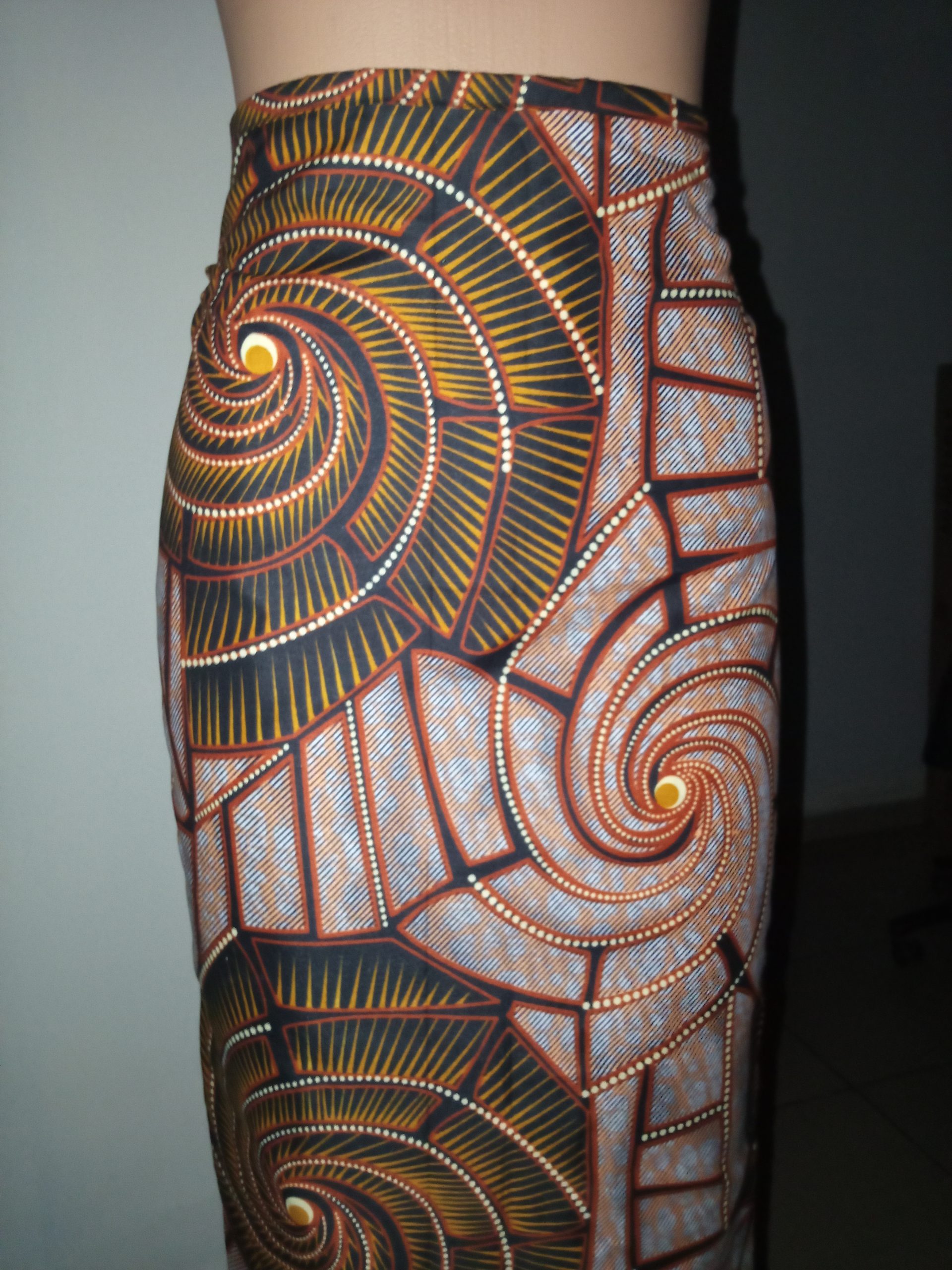
A straight skirt is one of the most essential garments every fashion beginner should master. It forms the foundation for many designs and helps you understand measurements, fitting, and neat finishing. In this guide, I’ll walk you through how to cut and sew a straight skirt step by step, using simple methods suitable for beginners, based on practical tailoring techniques.
Materials Needed
- Fabric (according to your skirt length and hip size)
- Measuring tape
- Tailor’s chalk or pencil
- Pattern paper or fabric for drafting
- Scissors
- Pins
- Sewing machine
- Needle and thread
- Waistband fabric or elastic (optional)
Key Measurements Required
Before cutting, take accurate body measurements:
- Waist circumference
- Hip circumference
- Waist to hip length
- Waist to knee length
- Full skirt length
Always measure on the body while standing straight and comfortably.
Step 1: Prepare the Fabric
Iron your fabric properly before cutting. Fold it lengthwise with the right sides facing each other. The folded edge represents the center line of the skirt.
If you plan to add a waistband, allow 2 inches at the top of the fabric. All vertical measurements will start after this allowance.
Step 2: Draft the Vertical Measurements (Vertical Measurement)
From the top of the fabric (or after the waistband allowance):
- Mark the waist line
- Measure down to mark the hip line
- Measure further down to mark the knee line
- Measure down to mark the full length of the skirt
Draw horizontal lines across at each point.
Illustration note: These lines are labelled waist, hip, knee, and full length in the sketch.
Step 3: Calculate the Width Measurements
- Waist Line
- Divide your waist measurement by 4
- Add 2 inches for sewing allowance
- Hip Line
- Divide your hip measurement by 4
- Add 2 inches for sewing allowance
Mark these measurements horizontally from the folded edge at the waist and hip lines.
Example:
Waist: 36 ÷ 4 = 9 + 2 inches allowance
Hip: 40 ÷ 4 = 10 + 2 inches allowance
Waist Line
Divide your waist measurement by 4
Add 2 inches for sewing allowance
Hip Line
- Divide your hip measurement by 4
- Add 2 inches for sewing allowance
Mark these measurements horizontally from the folded edge at the waist and hip lines.
Step 4: Shaping the Skirt (Fitting Lines)
To avoid a sharp or boxy shape and achieve a smooth fit:
- From the waist line, come in 1 inch
- At the hip line, come in 2 inches
- At the knee line, come in 1 to 1.5 inches, depending on how fitted you want the skirt
Connect these points smoothly using a curved line down to the full length.
Illustration note: This curve is shown clearly in the front pattern drawing. To avoid a sharp or boxy shape:
- From the waist line, come in 1 inch
- At the hip line, come in 2 inches
- At the knee line, come in 1 to 1.5 inches, depending on how fitted you want the skirt
Connect these points smoothly using a curved line down to the full length.
Step 5: Cutting the Front Pattern
Once all lines are connected neatly:
- Cut along the drafted lines
- This piece becomes your front pattern
- Label your lines clearly: waist, hip, knee, and full length.
Step 6: Drafting the Back Pattern
To draft the back pattern:
- Place the front pattern on the fabric
- Allow 2 inches extra at the waist for darts and ease
- Extend slightly at the hip for comfort and movement
- Cut the back pattern carefully, maintaining the same length and shape balance as the front.
- Place the front pattern on the fabric
- Allow 2 inches extra at the waist area for darts and ease
- Extend the back slightly at the hip for comfort
- Cut the back pattern following the same shaping, ensuring balance with the front.
Step 7: Sewing the Straight Skirt
- Join the front and back pieces at the sides
- Sew the back seam, leaving space for a zipper if needed
- Fix the waistband or elastic
- Hem the skirt neatly at the full length
- Press all seams for a clean finish
Tips for a Neat Finish
- Always press your fabric before cutting
- Sew with a straight stitch and consistent seam allowance
- Test fitting before final stitching
- Use interfacing for waistbands for a professional look
Final Thoughts
Learning how to cut and sew a straight skirt is a major milestone in your fashion journey. This project teaches you measurement accuracy, pattern balance, and neat finishing — skills you will reuse in many designs.
At Easy Wear, we encourage beginners to practice this skirt repeatedly until the process becomes natural. Remember, fashion designing is a journey, not a race. With consistency and patience, your finishing will improve and your confidence will grow.
Remember, fashion designing is a journey, not a race. Practice often, be patient with yourself, and refine your technique with each project.